
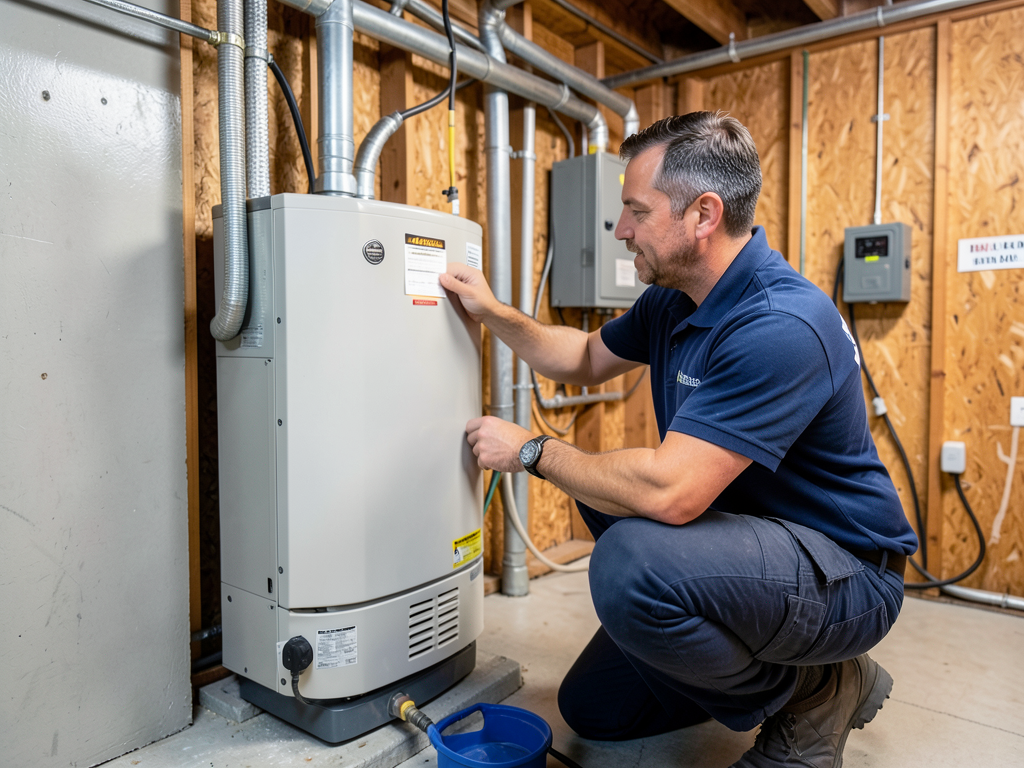
Solving the Persistent Basement Humidity Problems in Your St. Francis or Cudahy House
Your basement in St. Francis or Cudahy feels damp no matter the season. The musty smell lingers. White chalky stains appear on concrete walls. These are not cosmetic issues. They signal a deeper problem tied to Milwaukee’s unique geography and climate. The combination of Lake Michigan’s humidity, clay-heavy soil, and aging foundations in these lakeside communities creates a perfect storm for basement moisture. Without proper intervention, this moisture leads to mold growth, structural damage, and compromised indoor air quality throughout your home.. Read more about Why Your Germantown Home Feels So Dry Every Winter (and How to Fix It).
Professional basement dehumidification systems do more than portable units from big-box stores. They integrate with your home’s HVAC system, maintain precise humidity levels, and protect your foundation year-round. This guide explains why St. Francis and Cudahy homes face these specific challenges and how whole-home solutions address them permanently. Who to Call for Honest and Professional Furnace Repair in West Allis.
Why Milwaukee’s Lakefront Homes Face Unique Basement Moisture Challenges
The proximity to Lake Michigan creates a microclimate that affects every home within five miles of the shoreline. St. Francis and Cudahy sit directly in this zone where summer humidity regularly exceeds 80% relative humidity. When warm, moisture-laden air contacts cool basement walls, condensation forms. This happens even when outdoor temperatures feel comfortable. Outdoor Unit Not Spinning.
Milwaukee’s clay soil compounds the problem. Clay retains water like a sponge, creating hydrostatic pressure against foundation walls. During spring thaw or after heavy rains, this pressure forces moisture through even hairline cracks. Many homes in these areas were built before modern drainage requirements, leaving them vulnerable to these natural forces.
Older construction methods used in St. Francis and Cudahy bungalows and Cape Cods often lacked proper vapor barriers. Concrete foundations, while strong, are porous. Water vapor migrates through concrete at a rate of up to 10 gallons per day in a typical basement. Without intervention, this moisture creates the perfect environment for mold, mildew, and dust mites. Why Your Bay View Bungalow Might Benefit from a Ductless Mini Split System.
Call (414) 387-8977 today to schedule your inspection.
Whole-Home Dehumidifiers vs. Portable Units: The Technical Difference
Portable dehumidifiers remove moisture from the air they pull in. Whole-home systems treat all the air in your basement continuously. This distinction matters for effectiveness and long-term protection.
Portable units typically handle 30-70 pints per day in ideal conditions. They require manual emptying, regular filter changes, and struggle in cooler basement temperatures. Most shut off when temperatures drop below 65°F, exactly when condensation risk increases.
Professional-grade systems like Aprilaire or Honeywell whole-home units remove 90-135 pints daily regardless of temperature. They connect directly to your home’s drainage system, eliminating manual emptying. These units maintain humidity between 45-50%, the optimal range for preventing mold while protecting wood structures.
| Feature | Portable Unit | Whole-Home System |
|---|---|---|
| Daily Moisture Removal | 30-70 pints | 90-135 pints |
| Temperature Range | 65-90°F | 40-90°F |
| Maintenance Frequency | Weekly emptying | Annual service |
| Energy Efficiency | Standard | Energy Star certified |
| Air Filtration | Basic | MERV 8-13 filters |
The difference becomes clear when considering Wisconsin’s climate. Summer brings humidity from the lake. Winter creates condensation from temperature differentials. Only integrated systems handle both scenarios effectively. Wisconsin Focus on Energy rebates.
Our Professional Installation Process: What Actually Happens
Professional installation involves more than plugging in a unit. We assess your specific conditions, integrate with existing systems, and calibrate for optimal performance.
First, we conduct a moisture assessment using hygrometers and infrared cameras. These tools reveal hidden condensation patterns and identify problem areas. We check your foundation for cracks, evaluate your sump pump system, and test for radon if needed.
Next, we determine the right unit size. A 2,000-square-foot basement in St. Francis requires different capacity than a 1,200-square-foot space in Cudahy. We calculate based on cubic footage, current humidity levels, and local climate data.
Installation includes proper drainage integration. Most units drain into existing sump pits or floor drains. We ensure proper slope and trap installation to prevent backflow. Some installations require condensate pumps for below-grade drainage.
Electrical connections follow NEC Article 440 for HVAC equipment. We install dedicated circuits with proper overcurrent protection. All work complies with Wisconsin Department of Safety and Professional Services (DSPS) regulations. EPA mold prevention guidelines.
Final calibration sets humidity targets and fan speeds. We test the system under various conditions to ensure consistent performance. The unit should run quietly while maintaining steady humidity levels.
Benefits Beyond Moisture Control: Protecting Your Investment
Professional dehumidification protects more than your basement. It safeguards your entire home’s structure and your family’s health.
Wood structures in contact with concrete absorb moisture over time. Floor joists, wall plates, and support beams can develop rot without visible signs. This weakens your home’s structural integrity gradually. Dehumidification prevents this slow deterioration.
Mold and mildew release spores that circulate through your HVAC system. These spores trigger allergies, asthma, and respiratory issues. Professional systems with MERV-rated filters capture these particles before they spread.. Read more about UV Lights or Media Filters (Which is Better for Air Quality in Fox Point?).
Your air conditioning system works harder when indoor humidity is high. Lower humidity allows you to set thermostats higher while maintaining comfort. This reduces cooling costs by 10-15% during Milwaukee’s humid summers.
Stored items in basements suffer from excess moisture. Paper documents, photographs, clothing, and furniture absorb ambient humidity. Dehumidification preserves these valuables by maintaining stable conditions.
Energy efficiency improves when your HVAC system doesn’t fight humidity. Your AC cools dry air more effectively than moist air. This means faster cooling cycles and less runtime overall.
Milwaukee Service Area: St. Francis, Cudahy, and Surrounding Communities
We serve St. Francis homeowners near the lakefront and Cudahy residents along the industrial corridor. Our service area extends to Bay View, South Milwaukee, and Oak Creek, covering the communities most affected by lake-effect humidity.
St. Francis homes near Lake Drive face unique challenges from proximity to Lake Michigan. The constant breeze carries moisture that settles in basements. Many homes in this area were built in the 1950s and 1960s with minimal moisture protection.
Cudahy’s industrial heritage means many homes sit on former manufacturing sites. These properties often have drainage issues from altered soil composition. The city’s flat topography near the lake creates poor natural drainage.
Bay View’s mix of historic and modern construction presents different challenges. Older homes need moisture barriers and updated drainage. Newer constructions require proper integration with existing HVAC systems. What to Do When Your Historic East Side Home’s Boiler Stops Working.
South Milwaukee and Oak Creek experience similar humidity patterns but with different soil conditions. These areas have more sandy soil that drains better but can still allow moisture migration through foundations.
Frequently Asked Questions
How much does professional basement dehumidification cost in Milwaukee?
Professional installation typically ranges from $2,500 to $4,500 depending on basement size and complexity. This includes the unit, installation labor, and initial calibration. Portable units cost less upfront but require replacement every 2-3 years and provide inferior performance.
Will a dehumidifier eliminate musty basement odors?
Yes, when properly sized and maintained. Musty odors come from mold and mildew growth in damp conditions. Maintaining humidity below 50% prevents this growth. Most homeowners notice odor reduction within 48-72 hours of proper system operation.
How often should I service my basement dehumidifier?
Annual professional maintenance ensures optimal performance. This includes cleaning coils, checking refrigerant levels, testing electrical connections, and replacing filters. Between services, check the unit monthly for proper drainage and clean the air filter every 3-6 months. Fast AC Repair Services for Shorewood Residents Who Need Relief from the Humidity.
Can I install a dehumidifier myself?
Portable units are DIY-friendly but provide limited protection. Whole-home systems require electrical work, drainage integration, and HVAC knowledge. Improper installation can create safety hazards and void warranties. Professional installation ensures code compliance and optimal performance.
Will a dehumidifier help with basement flooding?
Dehumidifiers address moisture in the air, not standing water. For flooding, you need proper grading, functional gutters, and potentially a sump pump system. However, dehumidification prevents secondary damage from moisture that enters through walls after flooding events.
Why Professional Installation Matters: The Hidden Complexities
Professional installation addresses complexities most homeowners never consider. These details determine whether your system works effectively for years or fails prematurely.
Proper sizing requires more than square footage calculations. We consider ceiling height, number of windows, foundation type, and existing moisture sources. An undersized unit runs constantly without achieving target humidity. An oversized unit cycles too frequently, reducing efficiency.
Drainage integration must prevent backflow and freezing. In Wisconsin’s climate, condensate lines can freeze if not properly insulated. We install heat tape and proper traps to prevent these issues. Gravity drainage requires correct slope calculations based on your basement’s exact elevation.
Electrical requirements vary by unit size and features. Larger units need dedicated 240-volt circuits. We ensure your electrical panel has capacity and install proper overcurrent protection. All work meets NEC requirements and local permitting standards.
Integration with existing HVAC systems requires understanding airflow patterns. We position units to maximize circulation without creating dead zones. Some installations benefit from additional return air pathways to improve whole-home air quality.
Warranty protection depends on professional installation. Most manufacturers void warranties for DIY installations or work by unlicensed contractors. Professional installation includes warranty registration and documentation.
Don’t wait for mold to spread through your home. Call (414) 387-8977 today for your professional assessment.
Energy Efficiency and Cost Savings: The Financial Impact
Professional dehumidification systems provide measurable energy savings that offset their initial cost over time. The efficiency gains come from multiple sources working together.
Lower humidity allows higher thermostat settings without sacrificing comfort. Each degree you raise your thermostat saves approximately 3-5% on cooling costs. In Milwaukee’s humid summers, this translates to $100-200 in annual savings for a typical home.
Your air conditioner operates more efficiently when removing sensible heat rather than latent heat. Dehumidification handles the moisture removal, allowing your AC to focus on temperature control. This reduces runtime and extends equipment life.
Energy Star certified dehumidifiers use 15% less energy than standard models. Many qualify for Wisconsin Focus on Energy rebates, reducing upfront costs. These rebates typically range from $50-150 depending on the unit’s efficiency rating.
Preventing moisture damage avoids costly repairs. Foundation repairs can cost $5,000-15,000. Mold remediation averages $2,000-6,000. Dehumidification prevents these expenses by addressing moisture before damage occurs.
Improved indoor air quality may reduce medical expenses for allergy and asthma sufferers. While harder to quantify, many families report fewer respiratory issues after installing professional systems.
Maintaining Your System: Long-Term Performance
Proper maintenance ensures your dehumidifier performs effectively for its full lifespan of 10-15 years. These simple steps prevent common issues and maintain efficiency.
Check the air filter monthly during heavy use seasons. Dirty filters restrict airflow, reducing efficiency by up to 30%. Clean or replace filters according to manufacturer recommendations. Most need attention every 3-6 months.
Inspect drainage lines quarterly for clogs or leaks. Clear any debris from drain openings. Check for proper slope and ensure no standing water accumulates near the unit.
Clean the unit’s coils annually to remove dust and debris. Dirty coils reduce heat exchange efficiency. Use a soft brush and vacuum to clean accessible surfaces. Avoid harsh chemicals that could damage components.
Test humidity controls seasonally. Verify the unit maintains target humidity levels. If performance drops, check for refrigerant leaks or compressor issues. These problems require professional service.
Schedule professional maintenance every two years. Technicians can identify developing issues before they cause system failure. They also verify electrical connections, test safety controls, and ensure optimal performance.
Real Solutions for Milwaukee’s Basement Moisture Problems
Milwaukee’s climate creates basement moisture challenges that generic solutions cannot address. St. Francis and Cudahy homes face specific issues from lake-effect humidity, clay soil, and aging construction methods. Professional dehumidification systems provide targeted solutions that protect your home and improve your quality of life.
The investment in professional installation pays dividends through energy savings, prevented damage, and improved indoor air quality. Unlike portable units that provide temporary relief, whole-home systems address the root causes of basement moisture permanently.
Our team understands the unique challenges facing Milwaukee’s lakefront communities. We bring 15+ years of local experience to every installation, ensuring your system performs optimally in our specific climate conditions. From initial assessment through final calibration, we focus on solutions that work for your home’s exact needs.
Don’t let basement moisture compromise your home’s value and your family’s health. The solution exists, and it starts with a professional assessment of your specific conditions. Our team can evaluate your basement, recommend the right system, and install it properly the first time.
Take control of your basement’s moisture problems today. Call (414) 387-8977 now to schedule your free assessment and take the first step toward a drier, healthier home.
You may also find this helpful. Is Your Menomonee Falls Attic Insulation Making Your HVAC System Work Too Hard?.
{
“@context”: “https://schema.org”,
“@type”: “BlogPosting”,
“headline”: “Solving the Persistent Basement Humidity Problems in Your St. Francis or Cudahy House”,
“description”: “Basement humidity in St. Francis and Cudahy is relentless. Learn how Milwaukee’s lake-effect moisture damages foundations and how professional dehumidification protects your home.”,
“wordCount”: 2113,
“datePublished”: “2026-03-07T07:26:00.000Z”,
“dateModified”: “2026-03-07T07:26:00.000Z”,
“inLanguage”: “en-US”,
“mainEntityOfPage”: {
“@type”: “WebPage”,
“@id”: “https://firstchoicehvacmilwaukee.com”
},
“publisher”: {
“@type”: “LocalBusiness”,
“name”: “First Choice HVAC Milwaukee”,
“url”: “https://firstchoicehvacmilwaukee.com”
},
“author”: {
“@type”: “Organization”,
“name”: “First Choice HVAC Milwaukee”,
“url”: “https://firstchoicehvacmilwaukee.com”
},
“image”: {
“@type”: “ImageObject”,
“url”: “https://firstchoicehvacmilwaukee.com/wp-content/uploads/2026/03/solving-the-persistent-basement-humidity-problems-1.png”
}
}
{
“@context”: “https://schema.org”,
“@type”: “HVACBusiness”,
“name”: “First Choice HVAC Milwaukee”,
“url”: “https://firstchoicehvacmilwaukee.com”,
“address”: {
“@type”: “PostalAddress”,
“addressLocality”: “Milwaukee”
},
“areaServed”: {
“@type”: “City”,
“name”: “Milwaukee”
}
}
{
“@context”: “https://schema.org”,
“@type”: “FAQPage”,
“mainEntity”: [
{
“@type”: “Question”,
“name”: “How much does professional basement dehumidification cost in Milwaukee?”,
“acceptedAnswer”: {
“@type”: “Answer”,
“text”: “Professional installation typically ranges from $2,500 to $4,500 depending on basement size and complexity. This includes the unit, installation labor, and initial calibration. Portable units cost less upfront but require replacement every 2-3 years and provide inferior performance.”
}
},
{
“@type”: “Question”,
“name”: “Will a dehumidifier eliminate musty basement odors?”,
“acceptedAnswer”: {
“@type”: “Answer”,
“text”: “Yes, when properly sized and maintained. Musty odors come from mold and mildew growth in damp conditions. Maintaining humidity below 50% prevents this growth. Most homeowners notice odor reduction within 48-72 hours of proper system operation.”
}
},
{
“@type”: “Question”,
“name”: “How often should I service my basement dehumidifier?”,
“acceptedAnswer”: {
“@type”: “Answer”,
“text”: “Annual professional maintenance ensures optimal performance. This includes cleaning coils, checking refrigerant levels, testing electrical connections, and replacing filters. Between services, check the unit monthly for proper drainage and clean the air filter every 3-6 months. Fast AC Repair Services for Shorewood Residents Who Need Relief from the Humidity.”
}
},
{
“@type”: “Question”,
“name”: “Can I install a dehumidifier myself?”,
“acceptedAnswer”: {
“@type”: “Answer”,
“text”: “Portable units are DIY-friendly but provide limited protection. Whole-home systems require electrical work, drainage integration, and HVAC knowledge. Improper installation can create safety hazards and void warranties. Professional installation ensures code compliance and optimal performance.”
}
},
{
“@type”: “Question”,
“name”: “Will a dehumidifier help with basement flooding?”,
“acceptedAnswer”: {
“@type”: “Answer”,
“text”: “Dehumidifiers address moisture in the air, not standing water. For flooding, you need proper grading, functional gutters, and potentially a sump pump system. However, dehumidification prevents secondary damage from moisture that enters through walls after flooding events.”
}
}
]
}
{
“@context”: “https://schema.org”,
“@type”: “BreadcrumbList”,
“itemListElement”: [
{
“@type”: “ListItem”,
“position”: 1,
“name”: “Home”,
“item”: “https://firstchoicehvacmilwaukee.com”
},
{
“@type”: “ListItem”,
“position”: 2,
“name”: “Blog”,
“item”: “https://firstchoicehvacmilwaukee.com/blog”
},
{
“@type”: “ListItem”,
“position”: 3,
“name”: “Solving the Persistent Basement Humidity Problems in Your St. Francis or Cudahy House”
}
]
}
{
“@context”: “https://schema.org”,
“@type”: “Service”,
“serviceType”: “HVAC”,
“provider”: {
“@type”: “LocalBusiness”,
“name”: “First Choice HVAC Milwaukee”,
“url”: “https://firstchoicehvacmilwaukee.com”
},
“areaServed”: {
“@type”: “City”,
“name”: “Milwaukee”
},
“description”: “Basement humidity in St. Francis and Cudahy is relentless. Learn how Milwaukee’s lake-effect moisture damages foundations and how professional dehumidification protects your home.”
}