
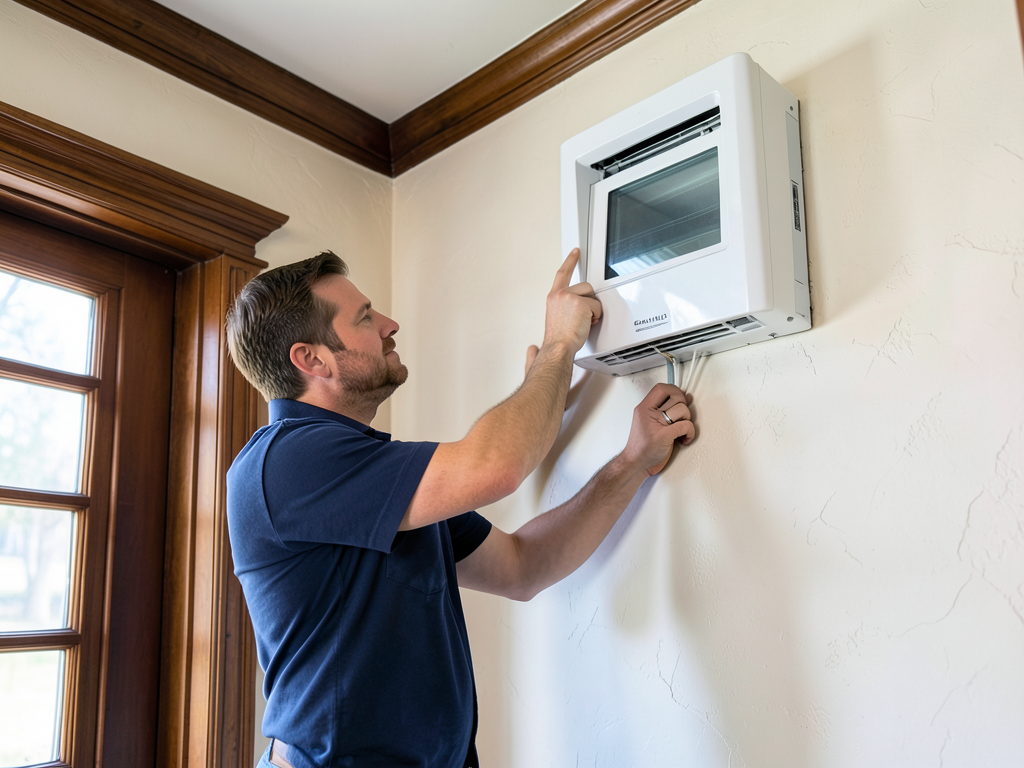
Updating the HVAC in your Greendale Original home requires balancing modern comfort with historic preservation. These post-WWII planned community homes built between 1936 and 1938 feature unique construction challenges including cincrete block walls, minimal attic space, and no existing ductwork. The good news is you can achieve year-round comfort without sacrificing the charm that makes your Greendale Original special. What to Do When Your Historic East Side Home’s Boiler Stops Working.
The Village of Greendale sits on heavy clay soil that expands and contracts with moisture changes. This soil movement affects foundation stability and can create gaps around windows and doors that impact HVAC efficiency. Understanding these local conditions helps you make informed decisions about your modernization project.
Wisconsin winters bring polar vortex conditions with temperatures dropping below -20°F while summers can exceed 90°F with high humidity from Lake Michigan. Your Greendale Original needs an HVAC system that handles both extremes efficiently. Modern heat pump technology now performs reliably in cold climates making them excellent options for historic homes. Wisconsin Focus on Energy program.
Understanding Your Greendale Original’s Construction
Greendale Originals were built as part of Franklin Roosevelt’s New Deal Greenbelt communities. These homes feature distinctive cincrete block construction with plaster walls and minimal insulation by today’s standards. The three original housing types (A, B, and C units) each present different HVAC challenges based on their layout and available space for equipment.
Most Greendale Originals lack basements or have very shallow crawl spaces. This eliminates traditional furnace placement options and complicates ductwork routing. The original heating systems were typically coal-fired gravity furnaces or early forced-air units with minimal distribution.
Window configurations in Greendale Originals often include large picture windows and multiple small panes that create significant heat loss. These architectural features must be considered when sizing your new HVAC system. Oversizing leads to short cycling and poor humidity control while undersizing leaves you uncomfortable.
The Village of Greendale has specific building codes for historic properties. Any exterior modifications require approval from the Historic Preservation Commission. This includes condenser unit placement and any penetrations through exterior walls for new HVAC equipment.
Modernization Options for Historic Homes
Ductless mini-split systems offer the least invasive option for Greendale Originals. These systems require only small wall penetrations for refrigerant lines and electrical connections. Indoor units mount high on walls or ceilings preserving your historic interior while providing zoned heating and cooling control. Cooling Tower Services.
High-velocity HVAC systems like Unico or SpacePak use small 2-inch flexible ducts that fit within existing wall cavities. This eliminates the need for major demolition while providing whole-house comfort. These systems operate quietly and can be zoned for different areas of your home. EPA asbestos guidelines.
Traditional ducted systems require the most extensive modifications. You’ll need to create chases or bulkheads for ductwork or sacrifice closet space. This approach works best during major renovations when walls are already open for other improvements.
Heat pump technology has advanced significantly for cold climates. Modern cold-climate heat pumps maintain efficiency down to -15°F and can provide 100% heating capacity at 5°F. This makes them viable primary heating sources even in Wisconsin’s harshest winters. Wisconsin Uniform Dwelling Code.
Consider your home’s electrical capacity before selecting a system. Many Greendale Originals have 60-100 amp service that may need upgrading for modern HVAC equipment. An electrical panel upgrade ensures your new system operates safely and efficiently.. Read more about Expert Boiler Service and Tuning for Older Homes in Thiensville.
Preserving Historic Aesthetics While Improving Comfort
Maintaining your home’s historic character requires careful equipment placement. Condenser units should be positioned where they’re not visible from the street or can be screened with landscaping. Some homeowners build custom enclosures that match their home’s architectural style.. Read more about Why Menomonee Falls Homeowners Are Switching to Heat Pump Water Heaters.
Indoor unit placement requires equal consideration. Wall-mounted mini-splits can be positioned above doors or in less visible locations. Ceiling cassette units recess into the ceiling for a more discreet appearance. Some manufacturers offer units with wood grain finishes that complement historic interiors.
Original radiators and registers can often be preserved as architectural features even when the underlying heating system is replaced. Consider converting steam radiators to electric or hot water systems that maintain the visual character while improving efficiency.
Window treatments play a crucial role in HVAC efficiency. Heavy drapes or interior shutters help insulate against heat loss in winter and heat gain in summer. These treatments enhance both comfort and historic authenticity.
Smart thermostats allow you to maintain comfort while optimizing energy use. Modern learning thermostats can adapt to your schedule and the unique thermal characteristics of your historic home. They also provide valuable energy usage data for identifying improvement opportunities.
Energy Efficiency and Wisconsin Rebates
Wisconsin’s Focus on Energy program offers substantial rebates for HVAC upgrades in historic homes. Heat pumps, high-efficiency furnaces, and smart thermostats all qualify for incentives that can reduce your project cost by 20-30%. These rebates are specifically designed to encourage energy efficiency improvements in older housing stock.
SEER2 ratings measure cooling efficiency while HSPF ratings measure heating efficiency for heat pumps. Look for systems with SEER2 ratings of 18 or higher and HSPF ratings of 10 or higher to maximize your Focus on Energy rebates and long-term energy savings.
Proper system sizing prevents energy waste and improves comfort. Manual J calculations consider your home’s unique characteristics including insulation levels, window area, and local climate data. This scientific approach ensures you get the right size system for your specific needs.
Air sealing and insulation upgrades complement your HVAC modernization. Sealing gaps around windows, doors, and penetrations reduces the heating and cooling load on your new system. Adding insulation in accessible areas like attics provides immediate energy savings.
Consider a home energy audit before your HVAC project. Professional auditors use blower door tests and infrared cameras to identify air leaks and insulation gaps. This information helps you prioritize improvements and may qualify you for additional Focus on Energy incentives. Who to Call for Honest and Professional Furnace Repair in West Allis.
Case Study: Successful Greendale Original HVAC Retrofit
The Johnson residence on Southway demonstrated how modern HVAC can integrate seamlessly with historic architecture. Their 1938 B-unit home lacked any ductwork and had an aging boiler system. The homeowners wanted air conditioning without compromising their home’s character.
We installed a Mitsubishi ductless mini-split system with three indoor units strategically placed to maintain aesthetic appeal. The outdoor condenser sits behind a decorative fence that matches the home’s exterior trim. The system provides zoned cooling for the main floor and master bedroom while the existing radiators handle heating. Outdoor Unit Not Spinning.
The project included air sealing the home’s envelope and adding insulation where accessible. These improvements reduced the cooling load by 30%, allowing for smaller equipment that further preserved the home’s appearance. The homeowners report 40% lower energy bills and dramatically improved comfort.
Focus on Energy rebates covered $2,500 of the project cost. The system’s inverter technology provides precise temperature control and operates quietly enough to maintain the home’s peaceful atmosphere. The Johnsons achieved modern comfort while preserving the historic charm that makes their Greendale Original special.
This retrofit demonstrates that thoughtful planning and the right technology can solve even the most challenging historic home HVAC problems. The key is working with contractors who understand both HVAC systems and historic preservation requirements.
Navigating Greendale Building Permits
The Village of Greendale requires building permits for all HVAC installations. Historic district properties need additional review from the Historic Preservation Commission. This process ensures your project complies with both building codes and historic preservation guidelines.
Mechanical permits require detailed plans showing equipment locations, electrical connections, and any structural modifications. The permit process typically takes 2-3 weeks for standard installations and up to 6 weeks for historic properties requiring commission review.
Wisconsin Uniform Dwelling Code compliance is mandatory for all HVAC work. This includes proper venting, combustion air requirements, and electrical safety standards. Licensed HVAC contractors pull permits and ensure all work meets code requirements.
Condenser unit placement must comply with local setback requirements. Most residential properties require 5-foot setbacks from property lines and 10-foot setbacks from windows of neighboring homes. These requirements protect both your investment and your neighbors’ property values.
Inspections occur at multiple stages of the project. Rough-in inspections verify proper installation of equipment and ductwork before walls are closed. Final inspections ensure the completed system operates safely and efficiently. Do not cover any work until it passes inspection.
Common Challenges and Solutions
Asbestos insulation often exists in older HVAC systems. Professional testing identifies hazardous materials before work begins. Licensed abatement contractors safely remove asbestos following EPA guidelines. This critical step protects your family’s health during the modernization process.
Limited space for equipment requires creative solutions. Compact high-efficiency units can fit in small closets or utility areas. Some homeowners convert unused pantry space or portions of laundry rooms for HVAC equipment. The key is finding space that doesn’t compromise your home’s functionality.
Noise concerns affect both indoor and outdoor equipment. Modern systems operate much more quietly than older units, but proper installation remains crucial. Vibration isolation mounts, sound barriers, and strategic equipment placement minimize noise impact on your historic home’s peaceful atmosphere.
Historic windows create significant heat loss. While replacing them with modern units might improve efficiency, it compromises historic character. Window film, storm windows, and thermal curtains provide efficiency improvements while preserving original windows. These solutions often cost less than full replacement. Why Your Bay View Bungalow Might Benefit from a Ductless Mini Split System.
Radon mitigation may be necessary during HVAC work. Many Wisconsin homes, including Greendale Originals, have elevated radon levels. Testing during HVAC installation allows you to address both issues simultaneously. Mitigation systems can integrate with your new HVAC for optimal performance.
Making Your Decision
Start with a professional assessment of your home’s current HVAC system. A qualified contractor evaluates your home’s construction, insulation levels, and comfort needs. This assessment forms the foundation for recommending appropriate modernization options.
Consider your priorities when selecting a system. If preserving historic character is paramount, ductless mini-splits or high-velocity systems minimize visual impact. If whole-house comfort is the priority, traditional ducted systems may be worth the additional modifications.
Budget considerations extend beyond initial installation costs. Factor in energy savings, maintenance requirements, and potential tax incentives. High-efficiency systems cost more upfront but often pay for themselves through lower utility bills over time.
Choose contractors with experience in historic home HVAC work. These specialists understand the unique challenges of Greendale Originals and can recommend solutions that preserve your home’s character while providing modern comfort. Ask for references from other historic home projects.
Plan your project timeline carefully. HVAC work in occupied homes requires coordination to minimize disruption. Consider seasonal timing as well. Spring and fall installations often cost less than peak summer or winter periods when contractors are busiest.
Frequently Asked Questions
Can I install central air conditioning in my Greendale Original without major renovations?
Yes, ductless mini-split systems provide central air conditioning without major renovations. These systems require only small wall penetrations for refrigerant lines and can be installed in a few days with minimal disruption to your home’s structure or appearance.
How much does it cost to update HVAC in a historic Greendale home?
HVAC updates in Greendale Originals typically cost between $8,000 and $25,000 depending on the system type, home size, and complexity. Ductless mini-splits run at the lower end while high-velocity or traditional ducted systems cost more. Focus on Energy rebates can reduce costs by 20-30%.
Will my new HVAC system qualify for Wisconsin energy rebates?
Most modern high-efficiency HVAC systems qualify for Focus on Energy rebates in Wisconsin. Heat pumps, high-efficiency furnaces, and smart thermostats all typically qualify. Your contractor can help you select qualifying equipment and handle rebate paperwork to maximize your savings.
Next Steps for Your HVAC Modernization
Ready to bring modern comfort to your historic Greendale Original? The first step is scheduling a professional assessment of your current system and home characteristics. Our experienced technicians understand the unique challenges of historic home HVAC and can recommend solutions that preserve your home’s character while providing year-round comfort.
Call (414) 387-8977 today to schedule your assessment. We’ll evaluate your home’s specific needs, discuss modernization options, and help you understand available rebates and incentives. Don’t wait until the next polar vortex or heat wave to address your HVAC needs.
You may also find this helpful. How to Get a Trustworthy Second Opinion if Your Milwaukee Furnace Gets Red-Tagged.
You may also find this helpful. Better Ways to Heat and Cool the Second Floor of Your West Allis Cape Cod.
Modern comfort and historic charm can coexist in your Greendale Original. With the right planning, equipment selection, and installation expertise, you can enjoy the best of both worlds. Contact us now to begin your HVAC modernization journey.
{
“@context”: “https://schema.org”,
“@type”: “BlogPosting”,
“headline”: “Updating the HVAC in Your Greendale Original Without Losing That Historic Charm”,
“description”: “Learn how to modernize HVAC in your Greendale Original home with ductless mini-splits, high-velocity systems, and energy rebates while preserving historic character.”,
“wordCount”: 2084,
“datePublished”: “2026-04-20T09:43:00.000Z”,
“dateModified”: “2026-04-20T09:43:00.000Z”,
“inLanguage”: “en-US”,
“mainEntityOfPage”: {
“@type”: “WebPage”,
“@id”: “https://firstchoicehvacmilwaukee.com”
},
“publisher”: {
“@type”: “LocalBusiness”,
“name”: “First Choice HVAC Milwaukee”,
“url”: “https://firstchoicehvacmilwaukee.com”
},
“author”: {
“@type”: “Organization”,
“name”: “First Choice HVAC Milwaukee”,
“url”: “https://firstchoicehvacmilwaukee.com”
},
“image”: {
“@type”: “ImageObject”,
“url”: “https://firstchoicehvacmilwaukee.com/wp-content/uploads/2026/03/updating-the-hvac-in-your-greendale-original-witho-1.png”
}
}
{
“@context”: “https://schema.org”,
“@type”: “HVACBusiness”,
“name”: “First Choice HVAC Milwaukee”,
“url”: “https://firstchoicehvacmilwaukee.com”,
“address”: {
“@type”: “PostalAddress”,
“addressLocality”: “Milwaukee”
},
“areaServed”: {
“@type”: “City”,
“name”: “Milwaukee”
}
}
{
“@context”: “https://schema.org”,
“@type”: “FAQPage”,
“mainEntity”: [
{
“@type”: “Question”,
“name”: “Can I install central air conditioning in my Greendale Original without major renovations?”,
“acceptedAnswer”: {
“@type”: “Answer”,
“text”: “Yes, ductless mini-split systems provide central air conditioning without major renovations. These systems require only small wall penetrations for refrigerant lines and can be installed in a few days with minimal disruption to your home’s structure or appearance.”
}
},
{
“@type”: “Question”,
“name”: “How much does it cost to update HVAC in a historic Greendale home?”,
“acceptedAnswer”: {
“@type”: “Answer”,
“text”: “HVAC updates in Greendale Originals typically cost between $8,000 and $25,000 depending on the system type, home size, and complexity. Ductless mini-splits run at the lower end while high-velocity or traditional ducted systems cost more. Focus on Energy rebates can reduce costs by 20-30%.”
}
},
{
“@type”: “Question”,
“name”: “Will my new HVAC system qualify for Wisconsin energy rebates?”,
“acceptedAnswer”: {
“@type”: “Answer”,
“text”: “Most modern high-efficiency HVAC systems qualify for Focus on Energy rebates in Wisconsin. Heat pumps, high-efficiency furnaces, and smart thermostats all typically qualify. Your contractor can help you select qualifying equipment and handle rebate paperwork to maximize your savings.”
}
}
]
}
{
“@context”: “https://schema.org”,
“@type”: “BreadcrumbList”,
“itemListElement”: [
{
“@type”: “ListItem”,
“position”: 1,
“name”: “Home”,
“item”: “https://firstchoicehvacmilwaukee.com”
},
{
“@type”: “ListItem”,
“position”: 2,
“name”: “Blog”,
“item”: “https://firstchoicehvacmilwaukee.com/blog”
},
{
“@type”: “ListItem”,
“position”: 3,
“name”: “Updating the HVAC in Your Greendale Original Without Losing That Historic Charm”
}
]
}
{
“@context”: “https://schema.org”,
“@type”: “Service”,
“serviceType”: “HVAC”,
“provider”: {
“@type”: “LocalBusiness”,
“name”: “First Choice HVAC Milwaukee”,
“url”: “https://firstchoicehvacmilwaukee.com”
},
“areaServed”: {
“@type”: “City”,
“name”: “Milwaukee”
},
“description”: “Learn how to modernize HVAC in your Greendale Original home with ductless mini-splits, high-velocity systems, and energy rebates while preserving historic character.”
}