
Why Your Hartland Energy Bills Spike Even When You Don’t Change the Temperature
Your thermostat hasn’t moved, but your energy bill keeps climbing. That sinking feeling when you open your We Energies statement in January is familiar to many Hartland homeowners. The good news? You’re not alone, and most causes have straightforward fixes. home energy efficiency improvements.
Energy bills spike in Hartland homes for specific reasons tied to our climate, housing stock, and utility rates. Understanding these patterns helps you target the real problems instead of wasting money on ineffective solutions.
Common Causes of Unexplained Energy Bill Spikes
Before calling for service, check these common culprits that affect Hartland homes specifically:
- Leaky ductwork losing heated air into your attic or crawlspace
- Faulty thermostat calibration causing continuous furnace cycling
- Dirty furnace filters restricting airflow and forcing your system to work harder
- Heat pump defrost cycles running too frequently in our humid Wisconsin winters
- Attic bypasses allowing warm air to escape through ceiling penetrations
These issues compound during Hartland’s freeze-thaw cycles, where temperatures swing dramatically within 24 hours, forcing HVAC systems to work overtime.. Read more about The Best Temperature to Set Your Richfield Thermostat While You’re on Vacation.
How We Energies Rate Structures Impact Your Bill
We Energies uses tiered pricing that many homeowners don’t realize affects their winter bills. The utility company charges higher rates once you exceed certain usage thresholds, which happens quickly during Hartland’s cold snaps.
During a typical January polar vortex, a home using 2,500 kWh might pay 12 cents per kWh for the first 1,000 kWh, then 18 cents for the remainder. That 50% rate increase on half your usage adds up fast. Why Your Bay View Bungalow Might Benefit from a Ductless Mini Split System.
Time-of-use rates also apply to some plans, charging premium prices during 6-9 AM and 4-7 PM when most families are home. Running your dishwasher or laundry during these windows increases costs significantly.
Hartland’s Housing Stock and Energy Loss Patterns
Hartland’s mix of 1970s ranches, 1990s subdivisions, and newer constructions each have distinct energy loss patterns. Understanding your home’s construction era helps identify specific vulnerabilities.
Older homes built before 2000 often lack proper vapor barriers and have settling issues that create gaps around windows and doors. The Wisconsin Uniform Dwelling Code didn’t require comprehensive air sealing until the early 2000s. Wisconsin Focus on Energy rebates.
Newer homes might have better insulation but often suffer from oversized HVAC systems that short-cycle, never running long enough to properly dehumidify or distribute heat evenly.. Read more about Why You Should Never Put Your Thermostat Near a Window in Caledonia.
DIY Fixes That Actually Work in Hartland
Before investing in expensive equipment, try these proven solutions that work specifically for our climate:
- Check and Replace Furnace Filters
Replace standard 1-inch filters monthly during heating season. Hartland’s dusty conditions and construction activity mean filters clog faster than in other areas.
- Seal Attic Bypasses
Use spray foam around plumbing penetrations, electrical boxes, and chimney chases. These gaps can equal leaving a window open year-round.
- Install Programmable Thermostats Correctly
Set back temperatures no more than 5-7 degrees at night. Larger setbacks in our climate force furnaces to run extended cycles to recover, negating savings.. Read more about Why Your Furnace is Turning On and Off Every Few Minutes in Wind Lake.
- Check Ductwork Connections
Feel along accessible duct runs for air leaks. Seal with metal tape (not duct tape) at joints and connections.
These fixes cost under $100 total but can reduce heating costs by 15-20% in typical Hartland homes.
When to Call a Professional HVAC Technician
Some problems require professional diagnosis and equipment. Watch for these warning signs: Who to Call for Honest and Professional Furnace Repair in West Allis.
- Furnace running constantly but never reaching set temperature
- Uneven heating with some rooms much colder than others
- Unusual noises from the furnace or air handler
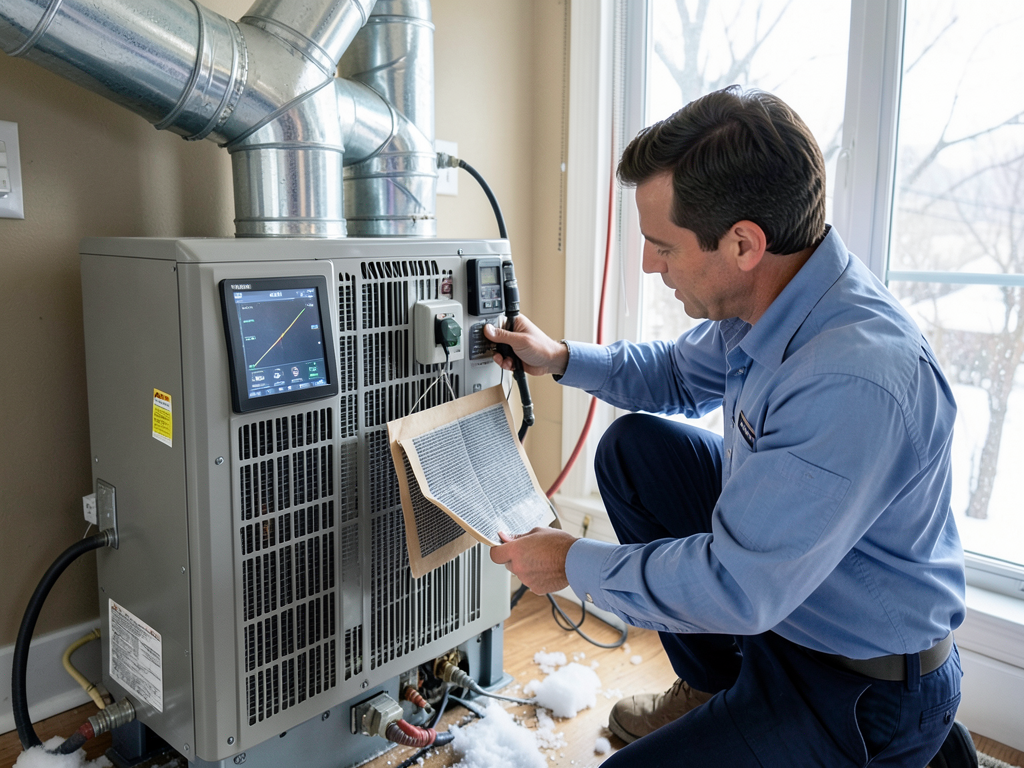
- Ice buildup on heat pump outdoor units during mild weather
- Carbon monoxide detector alerts
Professional diagnosis often reveals issues homeowners miss, like cracked heat exchangers or failing capacitors that cause systems to work inefficiently without completely breaking down.
Professional Solutions for Hartland Homes
Professional HVAC services address problems that DIY fixes can’t solve. Here’s what each service accomplishes: Fast AC Repair Services for Shorewood Residents Who Need Relief from the Humidity.
| Service | Cost Range | Energy Savings Potential | Best For |
|---|---|---|---|
| Furnace Tune-up | $89-189 | 5-15% | All systems over 2 years old |
| Duct Sealing | $500-2,000 | 10-30% | Homes with accessible ductwork |
| Attic Insulation Upgrade | $1,500-4,000 | 20-40% | Homes with R-19 or less insulation |
| Smart Thermostat Installation | $200-500 | 8-12% | Any home with inconsistent temperatures |
The Wisconsin Focus on Energy program offers rebates for many efficiency upgrades, potentially cutting your investment by 30% or more.
Understanding AFUE Ratings and Real Savings
Your furnace’s AFUE (Annual Fuel Utilization Efficiency) rating directly impacts your energy bills. Older 80% AFUE furnaces waste 20 cents of every heating dollar, while modern 95%+ units waste only 5 cents.
However, replacing a functioning 80% furnace rarely makes financial sense unless you plan to stay in your home for 8+ years. The energy savings rarely offset replacement costs in less time.
Instead, focus on maintaining your current system. A $150 tune-up that improves efficiency by 10% delivers better ROI than a $4,000 replacement for a working unit.
Smart Technology for Energy Management
Modern smart thermostats do more than basic programming. They learn your schedule, detect occupancy, and optimize heating cycles based on outdoor temperatures and humidity. Outdoor Unit Not Spinning.
In Hartland’s climate, smart thermostats prevent the common mistake of aggressive nighttime setbacks that force furnaces to run extended recovery cycles. They maintain efficiency while keeping you comfortable.
Some models integrate with utility programs, automatically adjusting during peak pricing periods to reduce costs without sacrificing comfort.
Long-Term Solutions for Energy Independence
For homeowners planning to stay long-term, consider these investments that pay dividends over time:
- Geothermal heat pump systems (30-70% heating cost reduction)
- High-efficiency cold-climate heat pumps (effective to -15°F)
- Whole-house air sealing and insulation upgrades
- Solar-ready electrical panel upgrades for future renewable integration
These solutions require larger upfront investments but protect against future utility rate increases and provide energy independence.
Special Considerations for Hartland Historic Homes
Hartland’s historic district homes present unique challenges. Original windows, plaster walls, and balloon framing require specialized approaches that preserve character while improving efficiency. What to Do When Your Historic East Side Home’s Boiler Stops Working.
Blown-in cellulose insulation works well in older walls without requiring major demolition. Weatherstripping and storm windows can dramatically improve single-pane window performance.. Read more about Finding the Right High Performance AC for Your Oconomowoc Lake House.
Historic preservation guidelines often restrict exterior modifications, making interior solutions and mechanical upgrades your best options for efficiency improvements.
Preventing Future Energy Spikes
Once you’ve addressed immediate issues, prevent future spikes with these maintenance habits:
- Schedule annual furnace maintenance before heating season
- Replace filters on a strict schedule (mark your calendar)
- Monitor your utility bills for unusual patterns
- Address small issues before they become major problems
- Consider a home energy audit to identify hidden inefficiencies
Consistent maintenance prevents the cascade of problems that lead to those shocking winter bills.
Local Resources for Energy Assistance
Hartland residents can access several programs to help with energy costs:
- Wisconsin Home Energy Assistance Program (WHEAP) – income-based heating bill assistance
- Milwaukee County Weatherization Assistance Program – free home efficiency upgrades for qualifying residents
- We Energies budget billing – smooths out seasonal cost variations
- Focus on Energy rebates – cash back for efficiency improvements
These programs can reduce your effective energy costs by 20-50% depending on your situation.
Why Quick Fixes Often Fail
Many homeowners try obvious solutions that don’t address root causes:
- Buying a more powerful furnace when the real issue is heat loss
- Installing a smart thermostat on an improperly sized system
- Adding insulation without sealing air leaks first
- Replacing windows when ductwork leaks are the bigger problem
Professional diagnosis identifies the actual problems, preventing wasted money on ineffective solutions.
Your Next Steps for Lower Energy Bills
Start with the simplest, cheapest fixes first. Check your furnace filter, seal visible gaps, and adjust your thermostat schedule. If bills remain high after these steps, professional diagnosis becomes worthwhile.
Most Hartland homeowners can reduce energy bills by 15-30% through a combination of DIY fixes and targeted professional services. The key is addressing the right problems in the right order.
Call (414) 387-8977 today to schedule your comprehensive energy assessment and stop those unexplained bill spikes for good.
Frequently Asked Questions
Why did my energy bill double even though I haven’t changed anything?
Several factors could cause sudden bill increases: rate hikes from your utility company, colder than normal weather requiring longer heating cycles, or a developing HVAC problem like a failing capacitor that forces your system to work harder.
How much can a dirty furnace filter increase my energy bill?
A clogged filter can increase energy consumption by 15-25% by restricting airflow. Your furnace must run longer cycles to heat your home, and in severe cases, can cause the system to overheat and shut down prematurely.
Should I replace my 15-year-old furnace to save on energy bills?
Not necessarily. If your current furnace is properly maintained and heating adequately, replacement rarely pays for itself within 5-7 years. Focus on maintenance, insulation, and air sealing first, which often deliver better ROI than equipment replacement.
What’s the most cost-effective way to reduce my heating bills?
Start with $100-200 in DIY fixes: replace filters, seal attic bypasses, and adjust thermostat schedules. If bills remain high, professional duct sealing typically offers the best return on investment for most homes.
You may also find this helpful. Switching from Propane to Natural Gas for Your Wales Area Home.
{
“@context”: “https://schema.org”,
“@type”: “BlogPosting”,
“headline”: “Why Your Hartland Energy Bills Spike Even When You Don’t Change the Temperature”,
“description”: “Discover why Hartland homes experience unexplained energy bill spikes and how to fix them with local HVAC solutions. Call (414) 387-8977 for expert help.”,
“wordCount”: 1548,
“datePublished”: “2026-03-30T10:20:00.000Z”,
“dateModified”: “2026-03-30T10:20:00.000Z”,
“inLanguage”: “en-US”,
“mainEntityOfPage”: {
“@type”: “WebPage”,
“@id”: “https://firstchoicehvacmilwaukee.com”
},
“publisher”: {
“@type”: “LocalBusiness”,
“name”: “First Choice HVAC Milwaukee”,
“url”: “https://firstchoicehvacmilwaukee.com”
},
“author”: {
“@type”: “Organization”,
“name”: “First Choice HVAC Milwaukee”,
“url”: “https://firstchoicehvacmilwaukee.com”
},
“image”: {
“@type”: “ImageObject”,
“url”: “https://firstchoicehvacmilwaukee.com/wp-content/uploads/2026/03/why-your-hartland-energy-bills-spike-even-when-you-1.png”
}
}
{
“@context”: “https://schema.org”,
“@type”: “HVACBusiness”,
“name”: “First Choice HVAC Milwaukee”,
“url”: “https://firstchoicehvacmilwaukee.com”,
“address”: {
“@type”: “PostalAddress”,
“addressLocality”: “Milwaukee”
},
“areaServed”: {
“@type”: “City”,
“name”: “Milwaukee”
}
}
{
“@context”: “https://schema.org”,
“@type”: “FAQPage”,
“mainEntity”: [
{
“@type”: “Question”,
“name”: “Why did my energy bill double even though I haven’t changed anything?”,
“acceptedAnswer”: {
“@type”: “Answer”,
“text”: “Several factors could cause sudden bill increases: rate hikes from your utility company, colder than normal weather requiring longer heating cycles, or a developing HVAC problem like a failing capacitor that forces your system to work harder.”
}
},
{
“@type”: “Question”,
“name”: “How much can a dirty furnace filter increase my energy bill?”,
“acceptedAnswer”: {
“@type”: “Answer”,
“text”: “A clogged filter can increase energy consumption by 15-25% by restricting airflow. Your furnace must run longer cycles to heat your home, and in severe cases, can cause the system to overheat and shut down prematurely.”
}
},
{
“@type”: “Question”,
“name”: “Should I replace my 15-year-old furnace to save on energy bills?”,
“acceptedAnswer”: {
“@type”: “Answer”,
“text”: “Not necessarily. If your current furnace is properly maintained and heating adequately, replacement rarely pays for itself within 5-7 years. Focus on maintenance, insulation, and air sealing first, which often deliver better ROI than equipment replacement.”
}
},
{
“@type”: “Question”,
“name”: “What’s the most cost-effective way to reduce my heating bills?”,
“acceptedAnswer”: {
“@type”: “Answer”,
“text”: “Start with $100-200 in DIY fixes: replace filters, seal attic bypasses, and adjust thermostat schedules. If bills remain high, professional duct sealing typically offers the best return on investment for most homes.”
}
}
]
}
{
“@context”: “https://schema.org”,
“@type”: “HowTo”,
“name”: “How to Reduce Energy Bills”,
“step”: [
{
“@type”: “HowToStep”,
“position”: 1,
“name”: “Check and Replace Furnace Filters”,
“text”: “Replace standard 1-inch filters monthly during heating season. Hartland’s dusty conditions and construction activity mean filters clog faster than in other areas.”
},
{
“@type”: “HowToStep”,
“position”: 2,
“name”: “Seal Attic Bypasses”,
“text”: “Use spray foam around plumbing penetrations, electrical boxes, and chimney chases. These gaps can equal leaving a window open year-round.”
},
{
“@type”: “HowToStep”,
“position”: 3,
“name”: “Install Programmable Thermostats Correctly”,
“text”: “Set back temperatures no more than 5-7 degrees at night. Larger setbacks in our climate force furnaces to run extended cycles to recover, negating savings.”
},
{
“@type”: “HowToStep”,
“position”: 4,
“name”: “Check Ductwork Connections”,
“text”: “Feel along accessible duct runs for air leaks. Seal with metal tape (not duct tape) at joints and connections.”
}
],
“image”: “https://firstchoicehvacmilwaukee.com/wp-content/uploads/2026/03/why-your-hartland-energy-bills-spike-even-when-you-1.png”
}
{
“@context”: “https://schema.org”,
“@type”: “BreadcrumbList”,
“itemListElement”: [
{
“@type”: “ListItem”,
“position”: 1,
“name”: “Home”,
“item”: “https://firstchoicehvacmilwaukee.com”
},
{
“@type”: “ListItem”,
“position”: 2,
“name”: “Blog”,
“item”: “https://firstchoicehvacmilwaukee.com/blog”
},
{
“@type”: “ListItem”,
“position”: 3,
“name”: “Why Your Hartland Energy Bills Spike Even When You Don’t Change the Temperature”
}
]
}
{
“@context”: “https://schema.org”,
“@type”: “Service”,
“serviceType”: “HVAC”,
“provider”: {
“@type”: “LocalBusiness”,
“name”: “First Choice HVAC Milwaukee”,
“url”: “https://firstchoicehvacmilwaukee.com”
},
“areaServed”: {
“@type”: “City”,
“name”: “Milwaukee”
},
“description”: “Discover why Hartland homes experience unexplained energy bill spikes and how to fix them with local HVAC solutions. Call (414) 387-8977 for expert help.”
}