
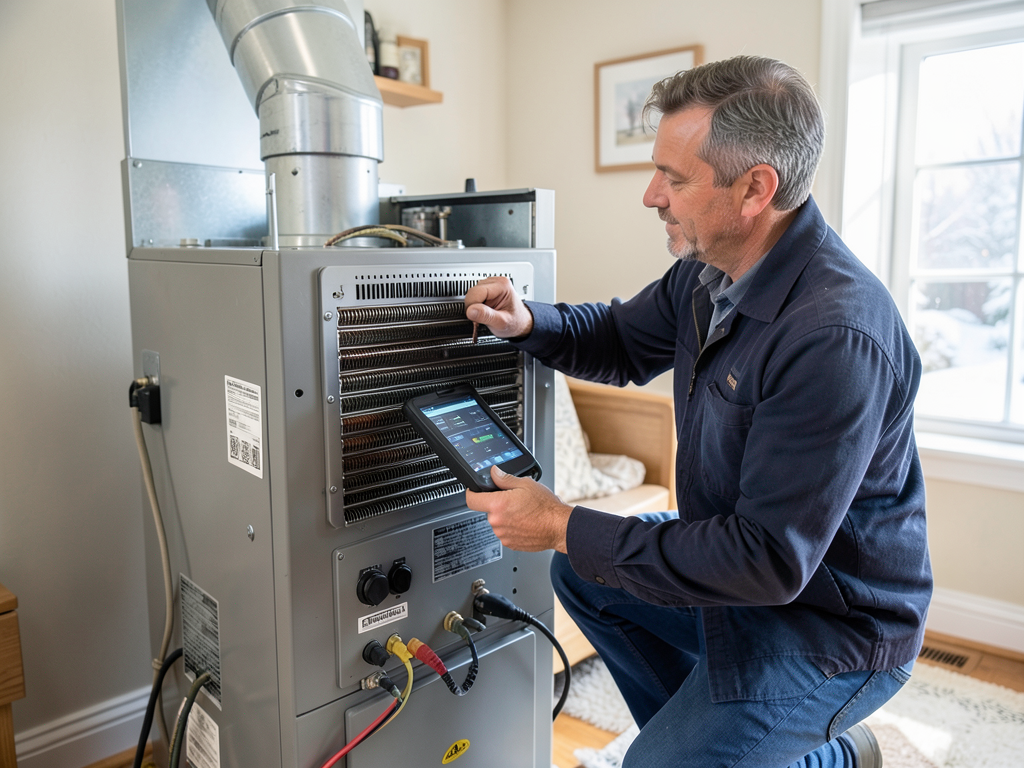
Stop Blocking Your Vents if You Want Your Sussex Home to Stay Warm
Closing vents in unused rooms seems like a smart way to save on heating bills. But this common practice actually makes your Sussex home colder and costs you more money. Your HVAC system works as a balanced network. When you block vents, you create pressure problems that strain the system and reduce efficiency. New HVAC System Cost 2026.
In Wisconsin’s harsh winters, proper airflow keeps your home comfortable and prevents expensive damage. The cold snaps in Sussex can drop below zero. Your furnace needs every vent open to distribute heat evenly and protect pipes from freezing.. Read more about Why Your Furnace is Turning On and Off Every Few Minutes in Wind Lake.
How Closing Vents Actually Increases Your Energy Bills
Your HVAC system pushes heated air through ducts to every room. Each vent has a specific purpose in this balanced system. When you close a vent, the air has nowhere to go. This creates backpressure that forces your furnace to work harder.
The blower motor must overcome this extra resistance. It runs longer cycles trying to push air through the restricted system. Your furnace burns more fuel but delivers less heat to your living spaces. You end up paying more for less comfort.
Static pressure builds up in the ductwork when vents are closed. This pressure can cause leaks at duct joints and connections. Hot air escapes into your attic or crawl space instead of warming your home. The longer your system runs, the more energy it wastes. Energy Star guidelines.
The Science Behind Why Your System Needs Open Vents
Think of your HVAC system like your lungs. When you breathe through a straw, you work harder to get the same amount of air. Your furnace faces the same problem with closed vents. The restricted airflow forces the system to operate inefficiently.
Modern furnaces use variable-speed blowers that adjust to maintain proper airflow. When vents close, the system detects the pressure change and tries to compensate. This constant adjustment wears out components faster and reduces overall efficiency.
The heat exchanger needs proper airflow to transfer heat effectively. Without it, the metal gets too hot and can crack. A cracked heat exchanger releases carbon monoxide into your home. This creates a serious safety hazard that requires immediate professional attention. Who to Call for Honest and Professional Furnace Repair in West Allis.
Hidden Dangers of Closing Vents in Your Sussex Home
Beyond higher energy bills, closed vents create several safety risks. The heat exchanger in your furnace relies on steady airflow to stay within safe temperature ranges. When airflow drops, the metal expands and contracts unevenly. This thermal stress causes microscopic cracks that grow over time.. Read more about Why Your Hartland Energy Bills Spike Even When You Don’t Change the Temperature.
Water pipes in rooms with closed vents are at risk of freezing. Sussex homes often have plumbing running through exterior walls or unheated spaces. Without warm air circulation, temperatures can drop below freezing even when your thermostat reads normal.
Humidity problems develop in closed-off rooms. Cold surfaces combined with trapped moisture create perfect conditions for mold growth. The dark, damp environment behind closed doors becomes a breeding ground for spores that spread through your home.
Why Milwaukee’s Climate Makes Vent Blocking Even Worse
Sussex experiences Wisconsin’s most extreme temperature swings. The polar vortex can bring wind chills of -30°F. Your furnace must work at maximum capacity during these events. Any restriction in airflow reduces its ability to keep your home warm.
Lake Michigan’s influence creates high humidity levels in summer and rapid temperature changes in winter. These conditions stress your HVAC system. Proper airflow helps manage humidity and prevents the short cycling that damages compressors and motors.
The freeze-thaw cycles common in Sussex cause ductwork to expand and contract. This movement can create gaps at joints. When vents are closed, the pressure changes accelerate this deterioration. Your ducts develop leaks that waste heated air.
Better Ways to Save Energy Without Damaging Your System
Instead of closing vents, try these proven methods to reduce your heating costs. Install a programmable thermostat to lower temperatures when you’re asleep or away. Each degree you lower the thermostat for eight hours saves about 1% on your heating bill.
Seal leaky ductwork with mastic sealant or metal tape. The average home loses 20-30% of heated air through duct leaks. Professional duct sealing can pay for itself in energy savings within two years.
Consider HVAC zoning if your home has distinct temperature zones. This system uses dampers to direct heat where you need it most. Unlike closed vents, zoning works with your system’s design to improve efficiency.
Professional Solutions for Sussex Home Comfort
A professional energy audit identifies where your home loses heat. Technicians use thermal imaging to find air leaks and insulation gaps. They measure airflow at each vent to ensure your system operates at peak efficiency.
Regular furnace maintenance prevents many problems caused by closed vents. Technicians clean burners, check heat exchangers, and test safety controls. They also measure static pressure to detect airflow restrictions before they cause damage.
Upgrading to a high-efficiency furnace with ECM motors provides better airflow control. These systems adjust blower speed automatically to maintain optimal performance. They cost more upfront but save money through lower energy bills and fewer repairs. Fast AC Repair Services for Shorewood Residents Who Need Relief from the Humidity.
Understanding Your Home’s Airflow Needs
Every room in your Sussex home needs proper air circulation. Bedrooms require fresh air for healthy sleep. Living areas need consistent temperatures for comfort. Even unused rooms need some heat to prevent moisture problems and protect plumbing.
Your return air grilles pull air back to the furnace for reheating. Blocking supply vents without considering returns creates pressure imbalances. The system may pull air from unintended sources like chimneys or water heater vents. This can cause backdrafting of dangerous gases.
Open floor plans common in newer Sussex homes require careful vent placement. The open spaces need balanced airflow to prevent cold spots. Closed vents in one area affect the entire system’s performance.
Common Mistakes Sussex Homeowners Make
Many homeowners close vents in unused guest rooms or basements. They think this concentrates heat in occupied areas. But your furnace produces a fixed amount of heat. Restricting airflow doesn’t reduce heat production, it just makes distribution less effective.
Some people use magnetic vent covers to block airflow. These create an even tighter seal than closed dampers. The increased pressure can damage duct connections and cause leaks in your attic or walls.
Others adjust their thermostat dramatically to compensate for closed vents. Big temperature swings force your system to run longer cycles. This constant on-off operation wastes more energy than steady operation at a moderate temperature.
How to Tell if Your System Suffers from Closed Vents
Listen for unusual noises from your furnace. Whistling sounds indicate restricted airflow. Rattling may mean loose duct connections from pressure changes. Both suggest your system struggles with vent blockages.
Feel the air coming from vents. Weak airflow at some vents and strong airflow at others indicates pressure imbalances. Your system works harder to push air through restricted areas.
Watch your energy bills during cold weather. If costs spike without increased usage, your system may run inefficiently due to airflow problems. Compare bills from similar weather periods to spot unusual increases.
Emergency Steps When Your Furnace Struggles
If your home feels cold despite the furnace running constantly, check all vents first. Make sure none are accidentally closed or blocked by furniture. Even partially closed dampers can cause system problems.
Check your air filter. A dirty filter restricts airflow as much as closed vents. Replace it if it looks gray or you can’t see light through it. Most filters need replacement every 1-3 months depending on your home’s dust levels.
Inspect visible ductwork for damage. Look for loose connections, holes, or collapsed sections. These problems worsen when vents are closed because pressure increases throughout the system.
Long-Term Solutions for Sussex Home Efficiency
Consider a furnace replacement if yours is over 15 years old. New high-efficiency models use less energy and provide better comfort. They also have advanced controls that prevent many problems caused by closed vents.
Upgrade your insulation to reduce heat loss. Proper attic insulation, sealed windows, and weatherstripped doors keep warm air inside. This reduces the workload on your furnace and makes vent blocking unnecessary.. Read more about Why You Have Sweaty Windows in Your Lannon Home During the Winter.
Install a whole-house humidifier to improve comfort at lower temperatures. Moist air feels warmer than dry air. You can lower your thermostat a few degrees without sacrificing comfort.. Read more about Why One Room in Your Cooper Park House is Always Freezing.
Local Building Codes and HVAC Requirements
Wisconsin Uniform Dwelling Code requires proper ventilation in all habitable spaces. Closed vents violate these requirements by creating dead air spaces. The code also mandates specific duct sizing and airflow rates for safety and efficiency.
Milwaukee County requires permits for major HVAC modifications. This includes changes to ductwork or adding zoning systems. Professional installation ensures your system meets all local requirements and operates safely.
Energy Star guidelines recommend keeping at least 80% of vents open for optimal system performance. This allows proper airflow while still providing some flexibility for room-specific temperature control.. Read more about Keeping Your Houseplants Alive and Healthy Near Your Lower East Side HVAC Vents.
Professional Maintenance Schedule for Sussex Homes
Schedule annual furnace maintenance before heating season begins. Technicians check heat exchangers, clean burners, and test safety controls. They also measure airflow and static pressure to ensure your system operates efficiently.
Change air filters regularly throughout the heating season. Sussex homes often need more frequent changes due to seasonal allergens and road dust. Set reminders to check filters monthly during peak usage.
Have your ductwork inspected every few years. Professionals can identify developing problems before they cause system failures. They also clean ducts to remove dust and debris that restrict airflow.
Cost Comparison: Bad Habits vs. Smart Solutions
| Practice | Annual Cost Impact | System Impact |
|---|---|---|
| Closing multiple vents | $150-300 higher bills | Increased wear, potential damage |
| Programmable thermostat | $100-200 savings | Reduced runtime, longer life |
| Professional duct sealing | $75-150 savings | Improved efficiency, better airflow |
| Annual maintenance | $50-100 savings | Prevents costly repairs |
Why Professional Help Matters in Sussex
Sussex homes face unique challenges from Wisconsin’s climate. The freeze-thaw cycles, high humidity, and extreme temperature swings require specialized knowledge. Local HVAC technicians understand these conditions and design systems accordingly.
Professional installers know the common problems in Sussex homes. They recognize signs of inadequate insulation, poor duct design, or outdated equipment. Their experience helps them recommend solutions that actually work in local conditions.
Emergency repairs in Sussex require fast response times. When temperatures drop below zero, every hour matters. Local companies can reach you quickly and have parts for common local equipment failures. Emergency HVAC Help Anywhere in Milwaukee When Your System Fails at Midnight.
Frequently Asked Questions
Can I close vents in unused rooms during vacation?
Closing vents while away creates more problems than it solves. The reduced airflow can cause your furnace to overheat or freeze up. Instead, lower your thermostat to 55-60°F and keep all vents open for safe operation.
How many vents can I safely close?
Ideally, keep all vents open. If you must close some, limit it to one or two in very small rooms. Never close more than 20% of your total vents. The pressure changes affect the entire system regardless of which vents you close.
Will a new high-efficiency furnace allow me to close vents?
Even high-efficiency furnaces need proper airflow. Variable-speed models adjust better to restrictions but still work best with open vents. The energy savings from efficient operation far outweigh any minimal benefit from closed vents.
Take Action to Protect Your Sussex Home
Stop blocking vents today to protect your HVAC system and lower your energy bills. Walk through your home and open every vent, even in unused rooms. Check that furniture or rugs don’t accidentally block airflow.
Call (414) 387-8977 today to schedule a professional inspection. Our technicians will check your system for damage caused by closed vents and recommend solutions for better efficiency. Don’t wait until your furnace fails on the coldest night of the year.
Pick up the phone and call (414) 387-8977 before the next storm hits. We’ll ensure your system operates safely and efficiently all winter long. Your comfort and safety depend on proper airflow throughout your Sussex home.
Additional Resources for Sussex Homeowners
Learn more about energy efficiency from Focus on Energy, Wisconsin’s statewide program for utility savings. They offer rebates for efficient equipment and home improvements that reduce energy consumption. Focus on Energy.
Check the Wisconsin Department of Safety and Professional Services for licensed HVAC contractors in your area. Always verify credentials before hiring any contractor to work on your heating system.
Visit Energy Star’s website for tips on maintaining your HVAC system and improving home efficiency. Their guidelines are based on extensive research and help you make informed decisions about your home’s heating and cooling. Cooling Tower Services.
{
“@context”: “https://schema.org”,
“@type”: “BlogPosting”,
“headline”: “Stop Blocking Your Vents if You Want Your Sussex Home to Stay Warm”,
“description”: “Learn why closing vents wastes energy and damages HVAC systems in Sussex homes. Discover Milwaukee-specific solutions to improve comfort and efficiency.”,
“wordCount”: 2125,
“datePublished”: “2026-03-29T13:22:00.000Z”,
“dateModified”: “2026-03-29T13:22:00.000Z”,
“inLanguage”: “en-US”,
“mainEntityOfPage”: {
“@type”: “WebPage”,
“@id”: “https://firstchoicehvacmilwaukee.com”
},
“publisher”: {
“@type”: “LocalBusiness”,
“name”: “First Choice HVAC Milwaukee”,
“url”: “https://firstchoicehvacmilwaukee.com”
},
“author”: {
“@type”: “Organization”,
“name”: “First Choice HVAC Milwaukee”,
“url”: “https://firstchoicehvacmilwaukee.com”
},
“image”: {
“@type”: “ImageObject”,
“url”: “https://firstchoicehvacmilwaukee.com/wp-content/uploads/2026/03/stop-blocking-your-vents-if-you-want-your-sussex-h-1.png”
}
}
{
“@context”: “https://schema.org”,
“@type”: “HVACBusiness”,
“name”: “First Choice HVAC Milwaukee”,
“url”: “https://firstchoicehvacmilwaukee.com”,
“address”: {
“@type”: “PostalAddress”,
“addressLocality”: “Milwaukee”
},
“areaServed”: {
“@type”: “City”,
“name”: “Milwaukee”
}
}
{
“@context”: “https://schema.org”,
“@type”: “FAQPage”,
“mainEntity”: [
{
“@type”: “Question”,
“name”: “Can I close vents in unused rooms during vacation?”,
“acceptedAnswer”: {
“@type”: “Answer”,
“text”: “Closing vents while away creates more problems than it solves. The reduced airflow can cause your furnace to overheat or freeze up. Instead, lower your thermostat to 55-60°F and keep all vents open for safe operation.”
}
},
{
“@type”: “Question”,
“name”: “How many vents can I safely close?”,
“acceptedAnswer”: {
“@type”: “Answer”,
“text”: “Ideally, keep all vents open. If you must close some, limit it to one or two in very small rooms. Never close more than 20% of your total vents. The pressure changes affect the entire system regardless of which vents you close.”
}
},
{
“@type”: “Question”,
“name”: “Will a new high-efficiency furnace allow me to close vents?”,
“acceptedAnswer”: {
“@type”: “Answer”,
“text”: “Even high-efficiency furnaces need proper airflow. Variable-speed models adjust better to restrictions but still work best with open vents. The energy savings from efficient operation far outweigh any minimal benefit from closed vents.”
}
}
]
}
{
“@context”: “https://schema.org”,
“@type”: “BreadcrumbList”,
“itemListElement”: [
{
“@type”: “ListItem”,
“position”: 1,
“name”: “Home”,
“item”: “https://firstchoicehvacmilwaukee.com”
},
{
“@type”: “ListItem”,
“position”: 2,
“name”: “Blog”,
“item”: “https://firstchoicehvacmilwaukee.com/blog”
},
{
“@type”: “ListItem”,
“position”: 3,
“name”: “Stop Blocking Your Vents if You Want Your Sussex Home to Stay Warm”
}
]
}
{
“@context”: “https://schema.org”,
“@type”: “Service”,
“serviceType”: “HVAC”,
“provider”: {
“@type”: “LocalBusiness”,
“name”: “First Choice HVAC Milwaukee”,
“url”: “https://firstchoicehvacmilwaukee.com”
},
“areaServed”: {
“@type”: “City”,
“name”: “Milwaukee”
},
“description”: “Learn why closing vents wastes energy and damages HVAC systems in Sussex homes. Discover Milwaukee-specific solutions to improve comfort and efficiency.”
}